Faresin Industries signs agreement with Borusan Cat for distribution in Turkey and new markets

Faresin Borusan Cat agreement

Strategic partnership strengthens international presence and opens new opportunities in Eastern Europe and Central Asia

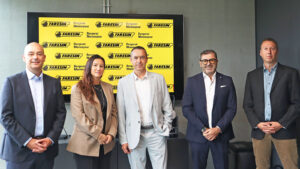
Breganze (Italy), April 2026 – Faresin Industries announces the signing of a strategic agreement with Borusan Cat, part of the Borusan Group and official Caterpillar distributor in Turkey.

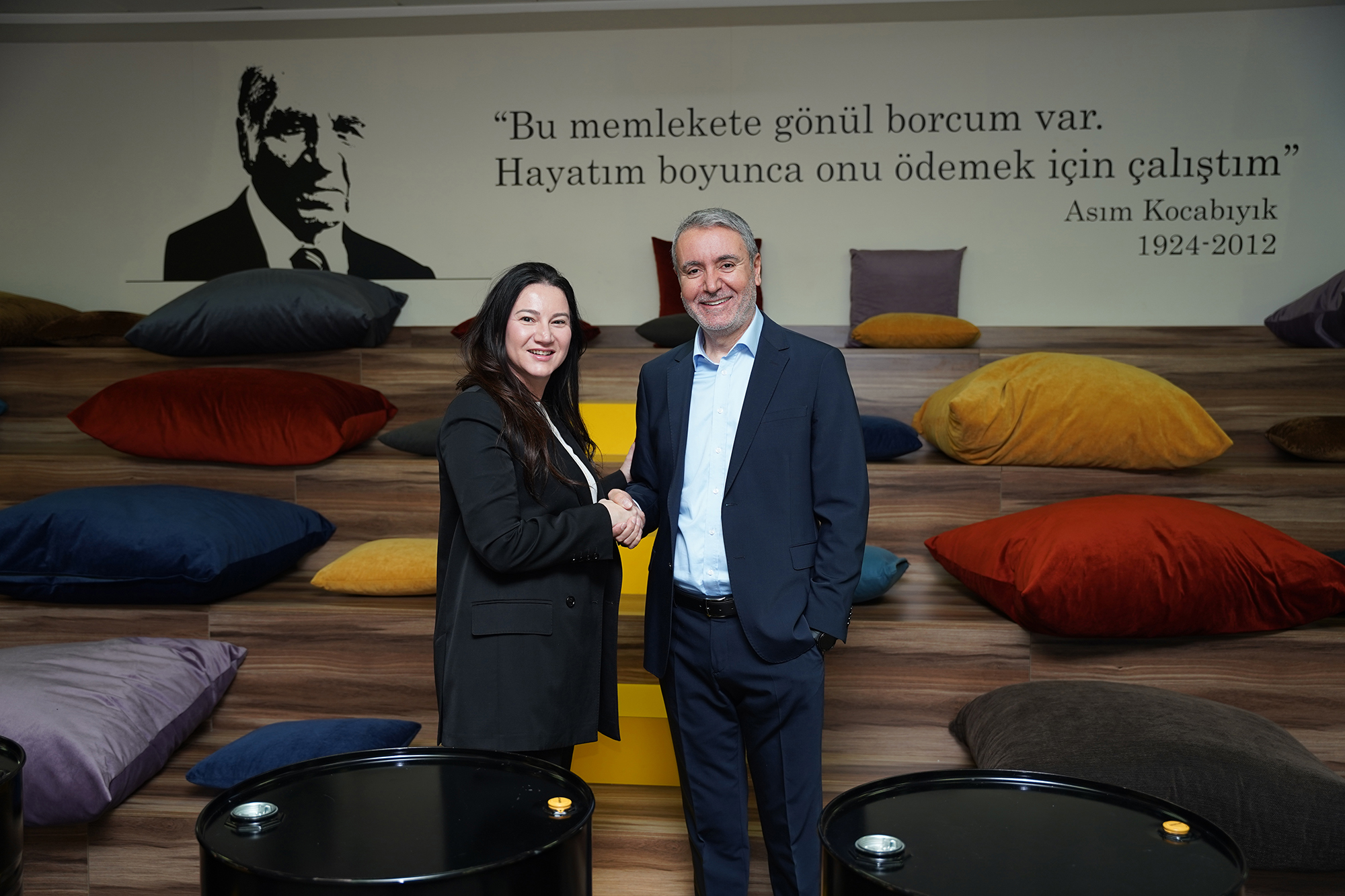
The contract signing took place on February 24, 2026 at Borusan Cat headquarters in Istanbul and marks the beginning of a partnership that will see the exclusive distribution of Faresin’s full range of telehandlers in the Turkish market.

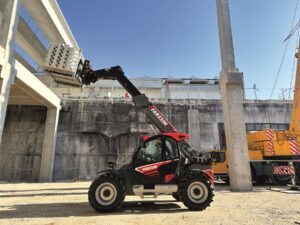
The partnership combines Faresin’s technological expertise, recognized for innovative and reliable solutions, with Borusan Cat’s strong sales and service network. The goal is to strengthen the brand’s presence in a strategic area, characterized by fast-growing demand in the construction, industrial, agricultural and rental sectors.

“We are proud of this collaboration with Borusan Cat, which represents a decisive step in our international growth path,” said Silvia Faresin.
“Our telehandlers, known for reliability, innovation and operational efficiency, will complement Borusan Cat’s offerings, meeting the needs of such a dynamic market as Turkey.”

Indeed, Turkey is confirmed as a key market, with important development prospects in both the construction and agricultural sectors.

“This cooperation allows us to enter the telehandler segment in a strong way, offering a full range of Diesel and FULL ELECTRIC solutions,” commented Aslan Hiçsolmaz.
“Through our business and support infrastructure, we aim to create lasting value for our customers.”

The agreement is part of a multi-year shared development plan and includes, in addition to Turkey, distribution of Faresin telehandlers to other strategic countries such as Kazakhstan, Kyrgyzstan, Georgia and Azerbaijan.

Faresin Industries is an Italian company based in Breganze (VI), active in the design, manufacture and distribution of telehandlers, Mixer Wagons and livestock solutions. Founded in 1973, it operates globally through an international network of subsidiaries and distributors.

Related articles
Share on:
EU+PONIC_Riaccendiamo_lo_sviluppo+MIMIT

ERAMIX - Electric and Robot driven mixing technologies for the future sustainable agriculture

Nella proposta progettuale il team R&D Faresin sarà impegnato in attività di ricerca industriale e sviluppo sperimentale. Le stesse saranno portate a termine mediante l’apporto intellettuale di tecnici interni all’azienda, avvalendosi del supporto di specialisti esterni, tra gli altri: Service Group R&D, dell’Università degli studi di Padova. Il progetto è stato sostenuto dal Ministero delle Imprese e del Made in Italy attraverso la concessione di un contributo diretto alla spesa pari a 1.960.732 € e di un finanziamento a tasso agevolato pari a 1.386.222 €.

Puntualmente, le finalità di progetto si riassumono nei seguenti punti:

• massimizzazione del benessere dell’animale: precision feeding, benessere dell’ambiente stalla;
• elettrificazione dei sistemi di propulsione per carri miscelatori;
• farm del futuro:
• sviluppo della guida autonoma per i carri di miscelazione
• sviluppo di un MES per la gestione del processo: precision farming
• implementazione del calcolo della carbon footprint di processo in real-time analizzata in tempo reale e riferita al litro di latte prodotto

Le attività prevedranno tutti gli step necessari alla realizzazione di una nuova gamma di prodotto: dalla fattibilità, alla progettazione, alla realizzazione e test, una pluralità di work packages sono volti alla realizzazione e validazione di prototipi di carro miscelatore, full electric, anche con guida autonoma e con features digitali che porteranno alla rivoluzione delle attuali pratiche operative del settore di riferimento.

Infine, il progetto rispetta il principio DNSH (“Do No Significant Harm”), di cui all’articolo 17 del regolamento (UE) 2020/852 del Parlamento europeo e del Consiglio, del 18 giugno 2020. La quantificazione dell’impatto ambientale associato alle soluzioni sviluppate nel corso del progetto agevolato viene condotta facendo ricorso a strumenti di LCA (Life Cycle Assessment) grazie alla collaborazione con la società Service Group R&D.